The Complete Guide to Back-to-Back Cruises on Royal Caribbean
Two, three, or ten sailings in a row on the same ship: how back-to-back cruising works, what it costs, and why it is the secret to weeks at sea for the price of days.
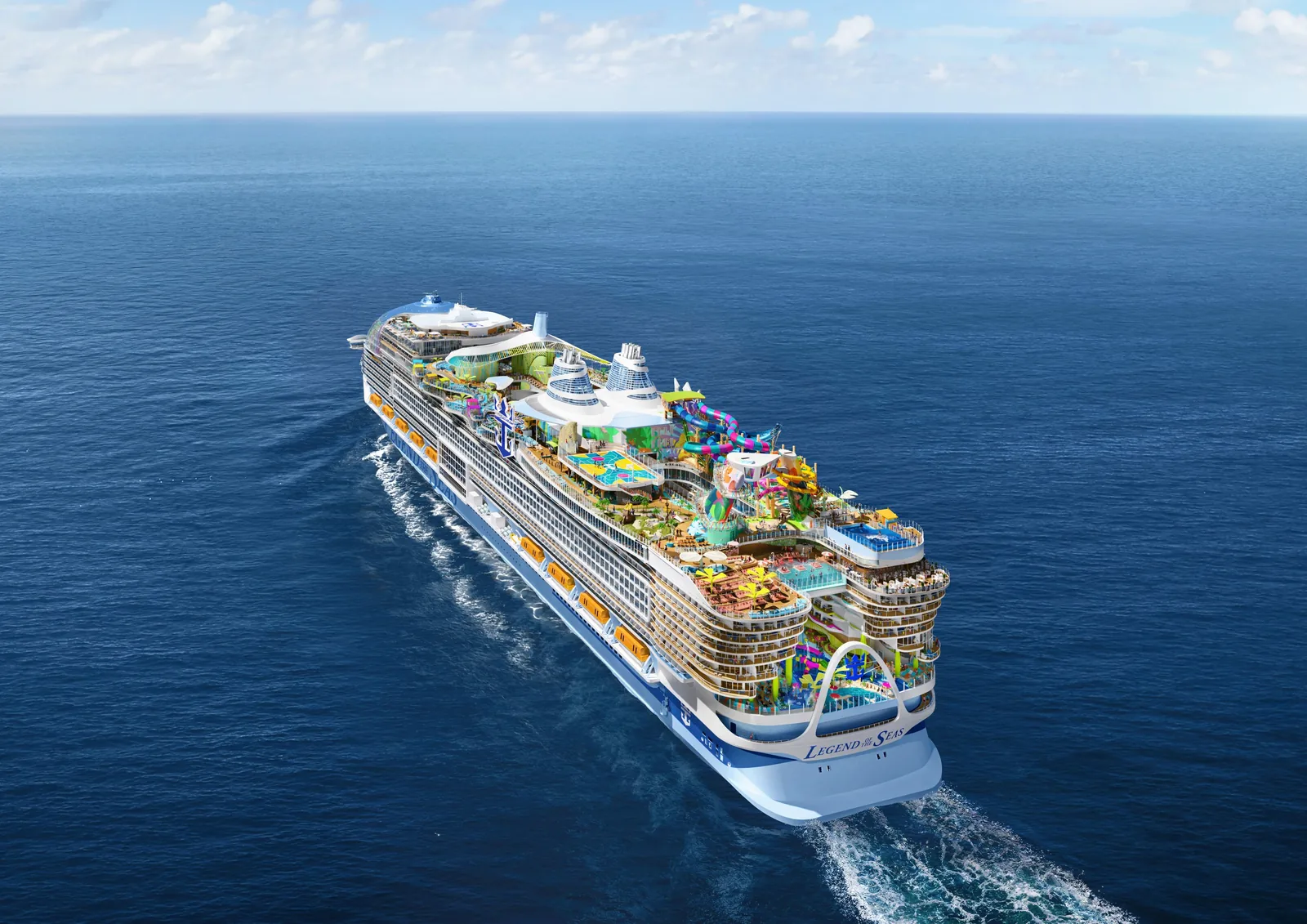
A back-to-back cruise, “B2B” in the forums, is exactly what it sounds like: two or more sailings booked one after another on the same ship, so that the morning one voyage ends, the next begins and you never step off for good. On Club Royale-heavy itineraries it is the single most powerful way to turn a stack of casino offers into real time at sea.
Royal Caribbean does not sell a “14-night back-to-back” as one product. You book two separate 7-night sailings that happen to share a ship and a home port, and the line stitches them together for you on turnaround day. That distinction matters, because it is what lets you spend a different casino offer on each leg.
Why anyone does this
Three reasons, roughly in order of how often people cite them:
- Cost. If Club Royale has comped your cruise fare on select sailings, linking several of them back to back means you pay port taxes and gratuities for weeks aboard while the fare itself keeps landing at or near zero.
- Variety without packing. A ship sailing alternating Eastern and Western Caribbean weeks gives you two completely different sets of ports back to back. Same cabin, same bartender, no re-packing.
- The rhythm. Regulars will tell you the second week is when a cruise actually relaxes. You know the crew, you’ve found the quiet spots, and turnaround day feels like a reset button rather than an ending.
The mechanics of turnaround day
On the day between legs, the ship has to account for every guest leaving so it can clear customs and immigration with a “zero count.” As a back-to-back guest you are part of a small in-transit group. Typically you’ll get a letter the night before telling you where to meet (a lounge, usually), and you’ll either be escorted off and right back on, or processed in place, depending on the port. It takes an hour or two, and then you have a near-empty ship to yourself while the next round of guests boards.
What it actually costs
Here is the mental model we use: your out-of-pocket on any single leg is the cruise fare (after any casino comp) plus the exact taxes and port fees, and that’s it for the booking. Gratuities are billed onboard, at $18.50 per person per day, or $21.00 in a suite, and anything you buy (drinks, WiFi, excursions) is separate. Book three comped 5-night legs back to back and the fare column can read close to zero while you’re aboard for over two weeks; the taxes and tips are what you’re really paying.
The catch nobody mentions first
Casino offers apply to select sailings, and the ones that link up neatly are not always the ones your offer covers. That is the whole game: finding sailings that (a) connect port-to-port on consecutive weeks, (b) fall inside each offer’s book-by window, and (c) are actually on the eligible list for the offer you want to spend. Doing that by hand across a year of Royal Caribbean’s calendar is genuinely tedious. That is exactly why we built legtolegcruises.com.
Start with one home port you can reach easily (Miami, Fort Lauderdale, Port Canaveral, and Galveston are the classic B2B hubs) and a ship that alternates itineraries. Each of those pages lists the back-to-backs actually bookable from that port right now. From there it is a matter of lining the legs up. Do that once and you’ll understand why people talk about back-to-backs the way others talk about a good mortgage rate.
If you would rather start from the whole picture than one port, our back-to-back cruise index lists every back-to-back we currently track across all 26 Royal Caribbean home ports, updated nightly.
 19 min
10 Steps to Find Back-to-Back Cruises and Spend Your Casino Offers
Oct 11, 2026Watch ›
19 min
10 Steps to Find Back-to-Back Cruises and Spend Your Casino Offers
Oct 11, 2026Watch ›
 15 min
Back-to-Back Cruises: The Complete Guide
Oct 1, 2026Watch ›
15 min
Back-to-Back Cruises: The Complete Guide
Oct 1, 2026Watch ›
Stop planning back-to-backs by hand
legtolegcruises.com finds every back-to-back from your port and spends your Club Royale offers where they save the most.
Find legs for free ›The legtolegcruises.com Logbook is independent editorial and is not affiliated with Royal Caribbean International or Club Royale. Offers, fares, and program rules vary and change often; confirm every detail with Royal Caribbean before you book.