Celukan Bawang, Bali: when your ship stops here
North Bali: black sand at Lovina, a Buddhist monastery, and old lontar leaf texts in Singaraja.
Facts checked Nov 21, 2026, each with its source. No prices on this page.

Celukan Bawang is a cargo and cruise port on the north coast of Bali, in Buleleng. Indonesia's tourism board calls it a gateway to the north of the island. Its berths take ships up to 200 m (656 feet) long. Ask on board where you go ashore.
Source: Indonesia.travel (Indonesia's Ministry of Tourism), cruise ports: Port of Celukan Bawang
Top 3 things to do
1. Lovina's black sand
Lovina's beaches are black sand, from volcanic eruptions. For visitors, the strip runs 5 to 15 km (3 to 10 miles) west of Singaraja.
Tip: Dolphins are often seen offshore. Boat trips to see them go out early in the morning and last about two hours.
Sources: Indonesia.travel (Indonesia's Ministry of Tourism), cruise ports: Port of Celukan Bawang; Wikipedia: Lovina Beach
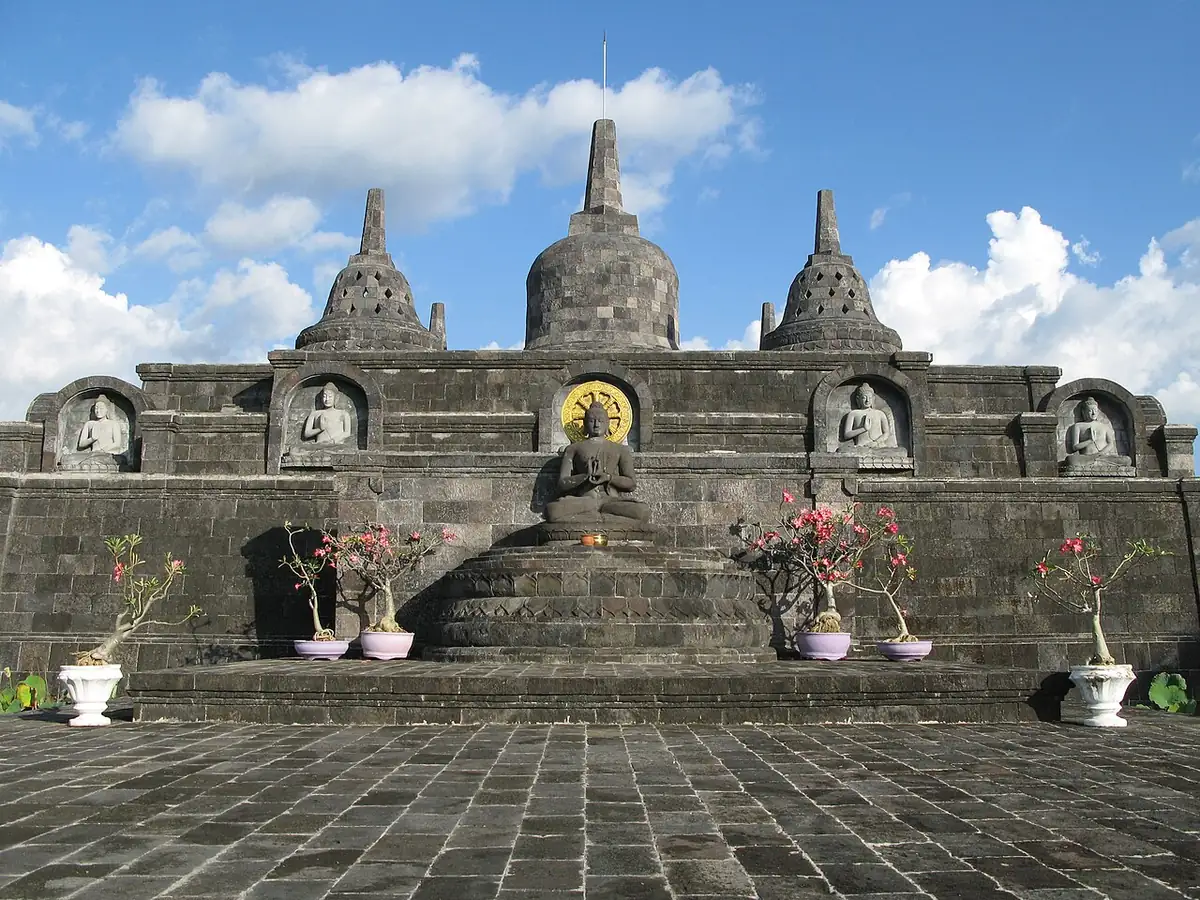
2. Brahmavihara-Arama
A Buddhist temple and monastery in the hills near Lovina, in Banjar district. Indonesia's tourism board calls it the only Buddhist monastery on Bali. Fine stone carvings cover it, and tropical gardens surround it.
Tip: It is a place of worship, and visitors must dress properly.
Sources: Wikipedia: Brahmavihara-Arama; Indonesia.travel (Indonesia's Ministry of Tourism), cruise ports: Port of Celukan Bawang
3. Singaraja's palace and lontar texts
Singaraja is the capital of Buleleng. Its royal palace was once home to North Bali's ruler. Part of it is open. Gedong Kirtya, a museum of manuscripts, shows thousands of old texts written on lontar leaves.
Tip: Ling Gwan Kiong, a Chinese Buddhist temple, stands by the harbour. Pasar Anyar, one of the town's main markets, sells rice, tobacco and kitchenware.
Sources: Indonesia.travel (Indonesia's Ministry of Tourism), cruise ports: Port of Celukan Bawang; Wikipedia: Lovina Beach
What to skip
Mount Batur without checking the ride
Mount Batur is an active volcano in the Kintamani area, 1,717 m (5,633 feet) high. Indonesia's tourism board says its trek is not for small children. Our sources give no ride time from the port, so ask on board first.
Sources: Indonesia.travel (Indonesia's Ministry of Tourism), cruise ports: Port of Celukan Bawang; Wikipedia: Mount Batur
Before you go ashore
You do not have to book a tour: you are free to go ashore on your own. Royal Caribbean sets the all aboard time about 30 minutes before the ship sails, and posts it near the gangway. It says the ship does not wait for guests touring on their own.
Source: Royal Caribbean FAQ: Do I need to book a shore excursion?
Back-to-backs that stop in Celukan Bawang
Back-to-back cruises from these home ports have a stop in Celukan Bawang, from the Royal Caribbean sailings we track:
Sources
- Indonesia.travel (Indonesia's Ministry of Tourism), cruise ports: Port of Celukan Bawang
- Wikipedia: Lovina Beach
- Wikipedia: Brahmavihara-Arama
- Wikipedia: Mount Batur
- Royal Caribbean FAQ: Do I need to book a shore excursion?
Find back-to-backs that stop in Celukan Bawang
Two or more Royal Caribbean cruises in a row, with a day in Celukan Bawang on the way.
Find your cruise ›More ports in Asia
 BeijingThe Forbidden City, the Temple of Heaven, and the Great Wall at Mutianyu.
 ShanghaiThe Bund's old waterfront, a Ming garden from 1559, and a museum of Chinese art.
 Hong KongCross the harbour on the Star Ferry, then ride the old tram up Victoria Peak.
 LombokA Sasak village of reed roofed homes, a long white beach, and pearls in Mataram.
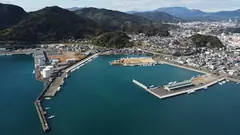 AburatsuA samurai castle town, a shrine in a sea cave, and seven Moai by the sea.
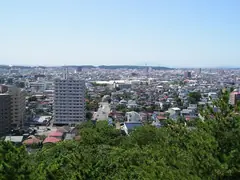 AkitaA castle park, a summer festival of lantern poles, and the site of a fort from 733.
Photo credits for these ports
- Beijing: Photo: Velatrix, CC0, via Wikimedia Commons
- Shanghai: Photo: xiquinhosilva, CC BY 2.0, via Wikimedia Commons
- Hong Kong: Photo: Diego Delso, CC BY-SA 3.0, via Wikimedia Commons
- Lombok: Photo: Vyacheslav Argenberg, CC BY 4.0, via Wikimedia Commons
- Aburatsu: Photo: 松岡明芳, CC BY-SA 4.0, via Wikimedia Commons
- Akita: Photo: 掬茶, CC BY-SA 3.0, via Wikimedia Commons


